
#UKYASpotlight is a month-long event across social media to promote YA books by British and Irish authors (resident and national). For more information, click here.
About the Authors

Philip Womack is the author of several books for the young, including, most recently, GHOSTLORD and WILDLORD, which feature folkloric creatures in the modern world.
.
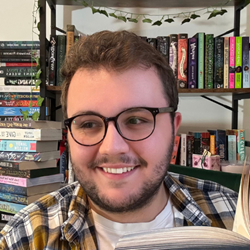
Bill Wood writes mysteries for young adult and adult audiences. He is a graduate of Birmingham City University, where he obtained a Bachelor of Arts with first class honours in Film & Screenwriting. Let’s Split Up is his debut YA thriller-horror.
.
.
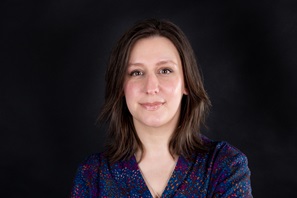
Sarah Daniels writes stories set in dark futures. In the past she’s been an archaeologist, a bookseller, and worked in a (probably) haunted night library. She lives in rural Lincolnshire with her family.
.
About Their Books:
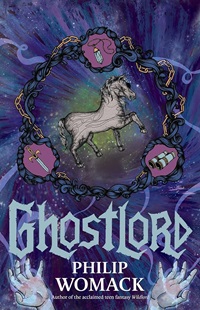
Title: GHOSTLORD
Author: Philip Womack
Pitch: 16 year old Meg hears a ghostly voice calling to her from the garden, and is drawn into a world of shadowy beings, warlocks, deception and other dimensions…
Find on Goodreads.

Title: LET’S SPLIT UP
Author: Bill Wood
Pitch: When hot “it-couple” Brad and Shelley are brutally murdered in a manor on the edge of town, a group of teen friends investigate. As they enter the mansion themselves, the idea of splitting up to find evidence will prove to be either the best … or worst decision of all…
Find on Goodreads.

Title: THE EXILED
Author: Sarah Daniels
Pitch: The final instalment in The Stranded duology sees the people of the Arcadia trapped inside a prison of abandoned warehouses with their enemies closing in. The battle for freedom has just begun.
Find on Goodreads.
What do you think is special about UKYA?
Philip Womack: There’s so much range – there’s something to suit every reader.
Bill Wood: The variety. I feel like there’s always something new and unique releasing in the UKYA space, whether it’s genre, setting, or type of representation. It’s refreshing.
Sarah Daniels: I love the snark of UKYA characters. I love it when they’re deadpan or sarcastic. Knowing someone well enough to take the piss out of them is a very UK thing and it’s great to see it shining through in the voice of UKYA books.
What distinguishes a YA book from middle grade or adult? Why do you think it’s so popular at the moment?
Philip Womack: Interesting question. I think it tends to be darker and slicker than middle grade, and less baggy than adult. I think because they tend to be fast, pacy reads, teens and adults enjoy them.
Bill Wood: I’d say the age of the characters is important, of course, but also the experiences the characters go through. To me, YA embodies new experiences and coming of age.
Sarah Daniels: What I find captivating about YA is how it focuses on young people grappling with their identities and the choices that shape who they become as adults. While Middle Grade books often involve kids discovering their independence through first adventures and
stepping out from under adult supervision, YA dives deeper into the complexities of belief and personal values.
I’m fascinated by teens deciding whether to conform to societal expectations or to carve their own path, and I think it’s a theme that resonates more broadly. Many of us find ourselves navigating challenging situations and deciding where we stand on pressing issues. In that sense, YA not only reflects the teenage experience but also helps clarify
There has been a lot of talk about the adultification of YA and what that means for teen readers. What sort of balance do you think UKYA strikes between teens and older readers? Do you think this balance needs to shift in a particular direction and how?
Philip Womack: I think teen readers will read anything, adult or not.I read The Picture of Dorian Grey when I was 12 – was that unsuitable?
Bill Wood: I do think there needs to be more YA aimed toward a younger adult, if that makes sense. When I used to be a bookseller, I always struggled to find YA titles that were fitting for a freshly turned teen. But I don’t think there should be less older YA either because that appeals to a large audience too.
Sarah Daniels: Books need to serve the demographic they’re aimed at. If teens are grappling with real-life issues—like relationships, mental health, or social pressures—then their books should reflect those experiences. When I was a teen, I learned about relationships from a mix of cringe-worthy magazines and adult novels that were way too mature and that’s probably not ideal. If YA books can guide teens through their challenges in a healthy, relatable way, it’s a win. Books can offer a safe space to navigate the complexities of growing up. Having said that, it’s important that this is all done in an age appropriate way. We don’t want anyone being traumatised by YA books. The trauma will come from stealing their parents’ Stephen Kings.
How do you think UKYA will evolve in the coming five years?
Philip Womack: It could go anywhere! The possibilities are endless!
Bill Wood: I think we’ll see the rise of some older trends come back to the forefront. Dystopian and paranormal come to mind. I do hope we’ll see more younger YA titles too.
Sarah Daniels: It’s impossible to predict and I’ve given up trying. I’ve heard publishing people say that they can feel a change in focus coming, but they don’t know which direction it will take us in. My feeling is that romantasy is on the wane in both adult and young adult books. Personally, I’d love there to be more YA sci-fi.
For more interviews, check here and don’t forget to check instagram (here) for book recommendations from these authors and more!
 #UKYASpotlight
Leave a comment