
#UKYASpotlight is a month-long event across social media to promote YA books by British and Irish authors (resident and national). For more information, click here.
About the Authors

Emma Bradley lives on the UK south coast with her plant collection and a very lazy black Labrador who occasionally condescends to take her out for a walk. Aside from writing, she spends far too much time procrastinating on social media, and is still waiting for the arrival of her unicorn. Or a tank, she’s not fussy.
.

Deirdre Sullivan is a writer from Galway, Ireland. She’s known for witchy books, retellings of Fairy-Tales and Irish myth, and short fiction for adults. Some of her books have won awards but she loves them all equally.
.
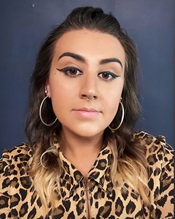
Amie Jordan is a freelance artist who lives in Salford, Greater Manchester with her son, dog, and grumpy cat. She designs children’s knitwear patterns and oversees art workshops in local schools through the day, then types away whilst drinking endless cups of tea into the night. Studying film at university, all forms of story telling have quietly been her passion since childhood. Until the ‘follow your dreams’ pep talk initially designed to inspire her son quietly whispered ‘practice what you preach’ back at her, and finally convinced her to share her stories with the world.
About Their Books:
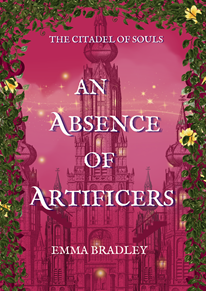
Title: AN ABSENCE OF ARTIFICERS
Author: Emma Bradley
Pitch: With artificers going missing inside the Faerie citadel, part-time spy Molly is determined to find out why. Working for the Menagerie has kept her safe so far, but soon the clues lead her back to their doorstep, unveiling a part of her family’s past they’ll kill to keep hidden.
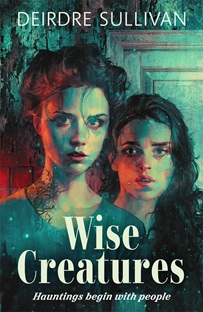
Title: WISE CREATURES
Author: Deirdre Sullivan
Pitch: Girls, ghosts, and different kinds of truth.
Find on Goodreads.
.

Title: ALL THE HIDDEN MONSTERS
Author: Amie Jordan
Pitch: A YA urban fantasy x crime crossover set under and over the streets of Manchester. There’s a serial killer on the loose, werewolves are the target, but will Sage find them before they find her?
Find on Goodreads.
What do you think is special about UKYA?
Emma Bradley: There’s a vast range of themes and genres in YA, and also a lot of consideration and focus on acceptance and representation which young adult readers really benefit from reading about, and also the support in the YA author community is brilliant.
Deirdre Sullivan: I think there’s such a wide range of texts and voices that are welcome, and there’s room to love a lot of things at once. My work is UK published Irish YA, however.
What distinguishes a YA book from middle grade or adult? Why do you think it’s so popular at the moment?
Emma Bradley: The coming of age years are such a pivotal experience for young people, hinging between childhood, discovery of self and the world around them, then the expectation to become an adult with all the related responsibilities. While middle grade is definitely important too for growing young readers, YA can cover more mature themes, and this can expand ways of seeing the world through stories and also reach readers who want to see themselves and their experiences covered in books.
Deirdre Sullivan: Every book is different, and because YA encompasses so many genres, all together on a shelf, it’s hard to come up with one thing. But, in general, I think that at the heart of YA is a hunger for the world, there’s a sense of promise and desire for new experiences and growing self-awareness and connection to the world around you. There’s a liminality to it as well, that bridge between childhood and adulthood, it resists being one thing or another, and that fluidity is really inspiring to me.
Amie Jordan: Well, the obvious answer is the age of the main character. A teen character that teen readers can relate to. But it’s also much more than that. Our teenage years are the most formative years of our lives. This is the time we start to mature and develop our own thoughts, interests, opinions outside of what we’ve grown up around that is naturally influenced by our parents/guardians. This period of growth is a time to expand our understanding of life and and consider our attitude towards that. I think YA novels are so incredibly important because it’s an opportunity for teens to experience situations, emotions and events they’ve not yet personally experienced though teen book characters, and are going to be some of the first opportunities for readers to consider how they would feel or respond if they were in those situations themselves. In this way, I think YA books help shape future generations far more than any other type of book. And this is why I think YA is so popular – I think for many readers it’s the first time they get to experience a whole new world of thoughts, emotions and feelings independently and for themselves.
There has been a lot of talk about the adultification of YA and what that means for teen readers. What sort of balance do you think UKYA strikes between teens and older readers? Do you think this balance needs to shift in a particular direction and how?
Emma Bradley: I think UKYA has approached the age range with the appropriate consideration for the teen experience. There’s a difference between focusing on serious themes and presenting them without minimising, or in some cases glorifying, the issues involved. The adultification of YA has many contributing factors but luckily there are still many authors keeping the focus on the teen reader experience rather than the sensationalist approach of ‘add sex and slice some heads off and it’ll sell’ (maybe just the one head).
Deirdre Sullivan: I write books with darker themes for a YA audience, and when I write, the thing I feel makes it YA is the note of hope. But that’s a personal rubric. I don’t really have any feelings about where YA needs to go, but I do have a deep respect for the teenage reader and their ability to sense what works and doesn’t work for them. That knowledge can be hard won sometimes, which I get. Things like content indicators can help, but there’s no perfect system.
Amie Jordan: Oof. This is a huge topic that I think we could be here discussing all day. And I guess the confusion can come in with the word ‘adult’ in the term ‘young adult’… but YA target audiences do start at around 12-14. Which a lot of the older readers forget.
I find the adultification of YA, especially now BookTok is becoming so prevalent, very sad. I think this is a complete injustice for the younger end of YA who are being excluded from such a thriving section of literature because of the more recent surge in much more adult political and sexual plot lines .
I read a statistic recently that nearly 50% of YA readers are actually older than the target/intended age range for YA, so of course there will be a push towards this adultification. I myself have received at least one negative review complaining that this book is ok for teens but doesn’t cross over for the adult readers. But… at the end of the day. the target audience for this age range is teenagers and they and their requirements should come first. The ‘spicy’ element is just not appropriate for the younger age of that, which is something I’ve really tried to keep in mind whilst writing.
I think the easiest solution, which I am starting to see more of now, but as a whole we need to make a more concerted effort to push towards is separating out YA into two sub categories: A Young Teen category for the younger ones, where long and graphic sex scenes just aren’t appropriate, and the New Adult emerging category that is aimed at 18-29yr olds (but this is where the older adults will also go too) that can have the more spicy element attached. I think at the moment, the overarching term of YA is just too broad.
How do you think UKYA will evolve in the coming five years?
Emma Bradley: Five years is hard to predict, but there will always be readers out there needing books to share experiences with or to escape into. As long as writers keep producing stories with the reader in mind, the trends may change but there will always be a need for UKYA.
Deirdre Sullivan: I’m excited to find out. Writers like Clara Kumagai, Amy Clarkin, Méabh Collins and Oein DeBhairduin are doing some really interesting stuff. It’s just nice to have more books to be excited about, and a wider range of stories told. That’s what I want for my own bookshelves anyway.
Amie Jordan: Honestly, I don’t know. I hope in the ways I’ve suggested above. I more clearly defined set of sub categories within the YA section so there is still something for everyone that all can enjoy without someone always being left disappointed it’s either too young or too old for them.
For more interviews, check here and don’t forget to check instagram (here) for book recommendations from these authors and more!
 #UKYASpotlight
Leave a comment