The Annual Event is a month long celebration of all things UKYA, highlighting books by British and Irish authors (resident and national) and asking their views on topic affecting the community. All views are the author’s own.
About the Authors:

Mark Illis has written Running Away For Beginners, The Impossible and The Impossible: On The Run for teenagers. Mark’s also written books for adults, a lot of TV, and a zombie movie in which he had a cameo as a zombie. Mark lives in a beautiful small town in West Yorkshire with his wife, his cat and his two children, (but the cat and the children aren’t around that much).
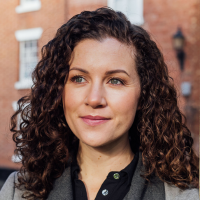
After growing up in rural Shropshire, Tess James-Mackey set out to explore the world and find her place in it. She quickly rushed straight back to Shrewsbury when she realised she’d been where she belonged from the start. She now lives in a quiet suburb with a noisy partner and daughter, two extremely noisy cats, and a less noisy tortoise. She spent years mucking out and getting trampled on by horses, before finally deciding she might prefer a less precarious office job. Between analysing insurance risk, she writes teens into terrifying situations inspired by her lived experiences. When she’s not allowing her mind to wander to dark and twisty places, she pursues more wholesome activities, like growing mediocre vegetables in her garden, camping with her daughter, and even riding the odd horse.

Hailing from the north-west, and drawn to writing about themes of empowerment and personal freedom, Louisa Reid has written six novels for young people in verse including GLOVES OFF, WRECKED and ACTIVIST (Guppy Books); Louisa’s latest work, HANDLE WITH CARE (Guppy Books), is a powerful YA novel written in prose and verse.
About their books:
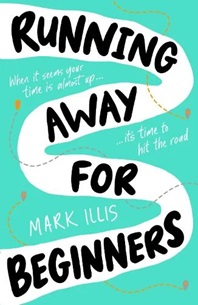
Title: RUNNING AWAY FOR BEGINNERS
Author: Mark Illis
Pitch: Jasper gets some very bad news, so naturally he decides to run away with his friends. Things go very wrong, very quickly. This is an exciting, funny, heartfelt story, that arises from personal experience. It’s about friendship and family, and a long, scary walk in the dark. Oh, and cancer.
Find on Goodreads. Find on Bookshop.org (affiliate link).
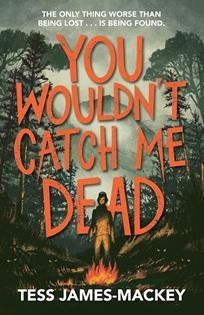
Title: YOU WOULDN’T CATCH ME DEAD
Author: Tess James-Mackey
Pitch: Keely planned to keep her head down at her new school – she isn’t there to make friends. To get into college, she is roped into a programme that involves camping in the Welsh wilderness with five over-keen try-hards. Her plan is to keep her head down, keep her mouth shut and get through the next few days. But Keely is running from something. Something that drove her family out of their home and to this quiet town. And when her fellow explorers start disappearing and the bodies begin to pile up, she has to ask herself: did she run far enough?
Find on Goodreads. Find on Bookshop.org (affiliate link).

Title: HANDLE WITH CARE
Author: Louisa Reid
Pitch: No one knows Ruby is pregnant – not even Ruby herself. So when she gives birth at school on a miserable February morning, her world is thrown into chaos. Keeping the baby isn’t an option, but keeping quiet about who the father of her child definitely is; because if Ruby’s best friend Ashley finds out the truth, then she’ll lose her too.
Find on Goodreads. Find on Bookshop.org (affiliate link).
In your opinion, how has social media helped foster the UKYA community?
Mark Illis: Social media helps to give us a sense that we’re a community of writers and readers with shared interests and enthusiasms, getting excited about new books, new worlds to explore.
Tess James-Mackey: Social media can bring authors together to support each other in what is often a very lonely profession! It also links authors with bloggers and readers, creating a more immersive experience for everyone.
Louisa Reid: Social Media is a brilliant way to connect UKYA authors with their readers and to spread the love for our brilliant homegrown stories. I have met so many passionate and generous readers through various platforms and am so grateful for their continued support for my writing. We are so lucky to have so many talented writers and creators here in the UK and I’ve discovered friends and likeminded people, not to mention heaps of brilliant books, through Twitter (as was) and Insta.
In which ways do you think we can responsibly use social media to introduce YA titles to teenagers? How can we go beyond social media to reach them, given conversations in several countries around re-thinking current legislation on such platforms for minors?
Mark Illis: Perhaps there could be more in-person events. Readings and writing workshops, conventions. And an old-fashioned mail-out of a magazine featuring interviews, stories and excerpts.
Tess James-Mackey: Schools have such an influence when it comes to reading – a passionate librarian can create YA fans from even the most reluctant readers. I think it’s important that the lines between true YA and upper YA / romantasy doesn’t blur, and social media is often boosting books that aren’t really appropriate for younger teens but seem to be packaged to appeal to them. Book influencers focusing on YA that’s actually written for 12-16 year olds could help, but bookshops need to be separating the “Booktok” section from their YA section too!
Louisa Reid: That’s such a good question and one for which there isn’t an easy answer as far as I know! I think we need to get more UKYA into the hands of young people via appropriate channels – school libraries do an amazing job here so if we can harness their power and further develop school library/UKYA collaborations then that might be a starting point. Author visits/book groups/community events are all invaluable too, but can be costly or hard to resource/publicise. Thinking of ways of getting young people involved and having maybe 6th formers working as reading ambassadors for their schools to share the love might help.
How do you think the YA market is going to change thanks to emerging technologies like AI?
Mark Illis: I don’t know. It worries me.
Tess James-Mackey: I think AI is more likely to impact the self-published market, and am hopeful agents and publishers will notice and not accept AI-written manuscripts. But I do worry that AI might be leveraged for IP projects and trend-chasing ideas, producing books quickly to hit a market gap without the usual two-year process in traditional publishing.
Louisa Reid: I’m nervous about the impact of AI and the way in which human creativity can be sidelined or even bypassed completely. If live events with authors can become more accessible to YA readers maybe that’ll help to keep our jobs and prioritise the authenticity of our books. We need legislation and safeguarding to protect publishing and young readers.
What steps would you like publishing needs to take in response to the rise of AI?
Mark Illis: If they could somehow verify that books are written by humans and no by AI that would be good. (Fewer mediocre books by celebrities would also be positive.)
Tess James-Mackey: I’d like publishers to speak out against it and make it clear that there is no place for AI within the industry. But as their primary goal is to make money, I worry this won’t happen. AI devalues the work of writers, with many people thinking the job has become redundant if a machine can do the same thing in seconds. So we need publishers to take a hard stance that AI does not produce well written stories, it’s problematic in so many ways, and it will never be accepted in any form within the publishing industry.
Louisa Reid: To be responsible in its use of AI in publishing, marketing, designing etc. To ensure that creators are not using AI or relying on AI as opposed to their own creativity. To pledge to support authors/illustrators and pay them accordingly rather than cost-cutting through the use of AI.
Thank you all! For more interviews, check here and don’t forget to check instagram (here) for book recommendations from these authors and more!
 #UKYASpotlight
Leave a comment