The Annual Event is a month long celebration of all things UKYA, highlighting books by British and Irish authors (resident and national) and asking their views on topic affecting the community. All views are the author’s own.
About the Authors:
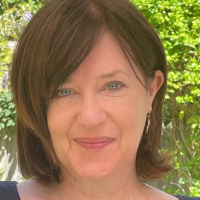
Sophie McKenzie was born and brought up in London and, after spells as a journalist and an editor, fulfilled her lifelong dream of becoming a fiction author in 2006, with her debut novel, the multi-award-winning Girl, Missing. Since then she has had over thirty books published. Sophie has written books for younger children, dyslexic readers and Dr Who fans. She has also had several psychological thrillers for adult readers published. Married with a grown-up son, Sophie loves good food and great stories in all their forms.
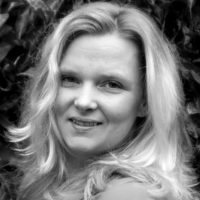
Marisa Noelle is the author behind a treasure trove of young adult and adult novels across multiple genres, but they all have running themes of mental health or the ocean. She tends to gravitate toward the speculative arena and loves to write science-fiction, fantasy, horror, dystopian, romance, romantasy, or a combination of them all.
Morgan H. Owen is a former bookseller who buys more books than she could ever possibly read. She lives in Birmingham with two feline voids who defy the laws of physics. She enjoys building elaborate Sims houses, visiting ancient ruins, making coffee and mapping out the nameless city she visits nightly in her dreams.
About their books:
Title: LESSONS IN DEATH
Author: Sophie McKenzie
Pitch: Life at Mayfield Academy seems normal enough – until Georgia discovers her drama teacher dead in the library. She rushes to get help, but when she returns a few minutes later, the body has disappeared. Georgia knows a murder has taken place, but only her best friend Billy believes her. Determined to unmask the killer, they hunt for evidence – but with glamorous new girl Wren determined to get involved, their friendship is under strain. And soon it’s clear someone is prepared to go to any lengths to stop their investigation…
Find on Goodreads. Find on Bookshop.org (affiliate link).
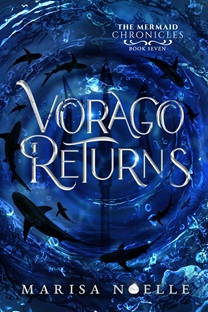
Title: VORAGO RETURNS
Author: Marisa Noelle
Pitch: The epic conclusion to the 7 book romantasy series, The Mermaid Chronicles. Tridents, gods, betrayal and redemption!
Find on Goodreads.
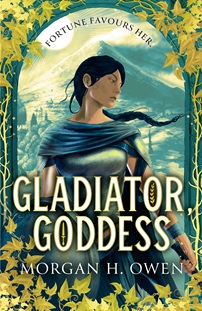
Title: GLADIATOR, GODDESS
Author: Morgan H. Owen
Pitch: A sapphic romantasy set in ancient Pompeii, where a female gladiator wins the favour of the emperor’s beautiful and dangerous daughter Claudia, drawing them into a feminist conspiracy with the assistance of a group of rebellious goddesses.
Find on Goodreads. Find on Bookshop.org (affiliate link).
In your opinion, how has social media helped foster the UKYA community?
Sophie McKenzie: Bringing together younger readers around books and reading and allowing for direct communication between readers and between readers and authors
Marisa Noelle: By connecting authors together, helping us support each other and reach a wider network of readers. Sharing our love of UKYA books!
Morgan H. Owen: Reading and writing are less solitary hobbies than when I was a teen. It’s easier to find like-minded people and niche recommendations. The UKYA community is really supportive and appreciative too. It’s a welcoming space to come into as a debut writer. There’s so much passion and imagination here, so much time and effort (a lot of it unpaid).
In which ways do you think we can responsibly use social media to introduce YA titles to teenagers? How can we go beyond social media to reach them, given conversations in several countries around re-thinking current legislation on such platforms for minors?
Sophie McKenzie: Listening to readers, making what you say relevant to them and earning their trust. Encouraging peer-to-peer reviews and exchanges. Modelling courteous behaviour online. Always being authentic. Using a variety of approaches.
Marisa Noelle: Social media, when used responsibly, can be a powerful bridge between YA authors and teenage readers. It’s where many teens naturally spend their time, so meeting them there—with authentic, engaging content—can spark interest in books they might not otherwise find. That said, we have a responsibility to use these platforms ethically. This means being transparent about sponsored content, avoiding manipulative algorithms, and creating safe spaces that prioritize mental well-being over viral reach.
One way we can do this is by focusing on storytelling rather than sales. Sharing behind-the-scenes writing moments, character art, interactive Q&As, and reader shout-outs invites teens into the creative process. It builds connection without pressure. We can also partner with teen book reviewers and educators to create a more peer-led discovery experience.
Ultimately, YA fiction is about helping young people feel seen, heard, and empowered. That mission extends far beyond any algorithm.
Morgan H. Owen: I grew up during the Section 28 era when it was difficult to acquire gay books aimed at teenagers, so it’s really important to me that those stories reach the audiences they’re intended for. School events and fairs are ideal for connecting with readers but they’re subject to political inference too, as we’re seeing in the U.S. We need more accessible events for young people organised by bookshops, more events like YALC on a regional level. We need to be able to speak with readers outside of social media platforms that are subject to the whims of billionaires. Just look at what Elon Musk did to the writing community on X.
How do you think the YA market is going to change thanks to emerging technologies like AI?
Sophie McKenzie: Books written by AI based on book content provided (mostly against their will) by published authors.
Marisa Noelle: Many books will be written with the use of AI, and not just in YA. Unfortunately readers will have to sift through them all in order to get to the books they want. It’s a grey area at the moment but I’m hoping we can find a way through and that readers will naturally want to discover books written by a human!
Morgan H. Owen: Hopefully, not a lot. I don’t think it’s necessary, and it’s a slippery slope. I can’t imagine asking AI to do my research for me, to build my world or write my dialogue. Those are the fun parts of the job. I think this applies to readers too. What makes a book so compelling is how human it is, and what we can learn about ourselves from reading it. Every writer sees the world through a unique lens. I just don’t think AI can speak to young people in a meaningful way.
What steps would you like publishing needs to take in response to the rise of AI?
Sophie McKenzie: Work to avoid the above.
Marisa Noelle: Publishing needs to define clear guidelines/rules for what is allowed and what isn’t. I’m not sure if it possible to have something all must adhere to, but rather it will be individual company policies. Some AI can be really useful (research and the running of a business etc), that could help publishers find more authors and help readers read more widely, but we need to be very careful in its use in the actual writing of books and I’m not entirely sure what that will look like.
Morgan H. Owen: Publishing should stand firm against AI to protect creatives. We’re already seeing it creep into the industry, with books stolen to train AI models. But opposing AI is also protecting the art of creating itself. I worry about people becoming so reliant on it that we forget how to imagine, study, use critical thinking and process complex subjects. Publishers should also be trying to educate young people about the dangers of AI (including the harm it does to our environment).
Thank you all! For more interviews, check here and don’t forget to check instagram (here) for book recommendations from these authors and more!
 #UKYASpotlight
Leave a comment