The Annual Event is a month long celebration of all things UKYA, highlighting books by British and Irish authors (resident and national) and asking their views on topic affecting the community. All views are the author’s own.
About the Authors:
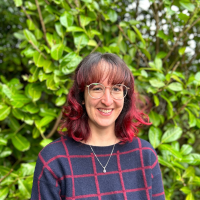
Originally from South Florida, S. A. Gales graduated from the University of Glasgow with a Doctorate in Creative Writing and lives in Glasgow with her husband and their large, sooky greyhound. She combines her background in architecture and obsession with forgotten ruins to create fantastical worlds to frame her exploration of larger issues such as belonging and identity. iNSiDE is her debut novel and was one of the winners of the Imagined Futures Prize.
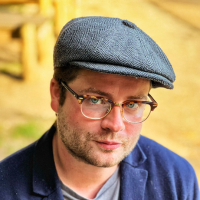
James Dixon an award-winning novelist, journalist, and ghostwriter based in the UK. He was shortlisted for the Somerset Maugham Award for his debut literary novel, The unrivalled transcendence of Willem J. Gyle, and won the Guppy Open Award in 2021 for his first children’s novel, The Billow Maiden, published by Guppy Books in 2022. His second novel for young readers, Crow Children, is due out in July 2025.
About their books:
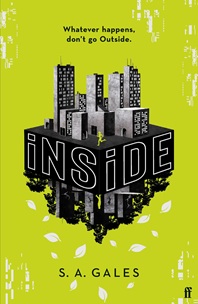
Title: INSIDE
Author: S. A. Gales
Pitch: Naya has spent her whole life training in an indoor world. She will do anything to be accepted into the city’s police force, the NSDE – to prove to her mum that she can live up to her legacy. So, when she is given a top-secret assignment to spy on a dangerous enemy with powers no one understands, she accepts. But is she truly ready for what awaits Outside?
Find on Goodreads. Find on Bookshop.org (affiliate link).
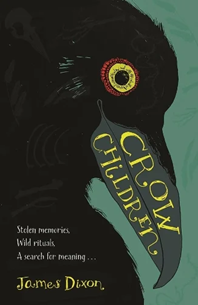
Title: CROW CHILDREN
Author: James Nixon
Pitch: After her father’s death, Ava Bridger is angry at the world. Moving back to Crawford to be near her fading Nana, she finds more than she bargained for: a new friend in wild-hearted Robin, a strange boy named Dustin who speaks to crows, and whispers of old magic in the woods. As Nana’s memories slip away, Ava learns her grandmother was once a lore keeper who knew all the old stories – and that the crows might help bring her stories back. But magic demands a price. Crow Children is a tale of grief, friendship, and the cost of remembering.
Find on Goodreads. Find on Bookshop.org (affiliate link).
In your opinion, how has social media helped foster the UKYA community?
S. A. Gales: Social media removes boundaries when it comes to finding and connecting with other people who are passionate about YA novels. I’ve met so many authors and readers around the UK that I wouldn’t have had a chance to connect with otherwise. It widened my community and connected me to books I might not have known about. I think social media expanded the UKYA community and made it stronger.
James Dixon: Social media has given UKYA authors, readers, and bloggers a direct line to one another, with the potential to create a vibrant, accessible space for connection and support. It’s helped amplify certain voices and made it easier for new writers to find readers without relying solely on traditional publicity. Hashtags, online book clubs, and virtual events have turned UKYA into a participatory, grassroots movement as much as a literary category.
In which ways do you think we can responsibly use social media to introduce YA titles to teenagers? How can we go beyond social media to reach them, given conversations in several countries around re-thinking current legislation on such platforms for minors?
S. A. Gales: Social media should be another opportunity to show teens the power of storytelling. We shouldn’t just try to sell them our books but we should use our voice and platform to help give them a voice. It should be about teaching them something or encouraging them in some way. Our books are there to teach empathy, showcase another perspective, etc. This should be reflected in our social media outlets as well.
I think helping teens get off social media for a bit would be beneficial for them. Authors should work with organizations to put on social events for teens. Not just book readings, although of course our books should be present, but again thinking about what the teens might want or benefit from. Reading can be an isolating activity so providing activities that foster community would be great.
James Dixon: To introduce teenagers to YA titles, and to the YA world in general, through social media, in a responsible way, we need to prioritize platforms aiming to encourage authentic engagement – BeReal and Discord spring to mind. We can also encourage teen readers and content creators to share content that resonates with their experiences in the YA sphere, potentially even collaborating with younger creators. It’s important to foster open communication about online interactions and to help in guiding teens to being mindful of their digital presence and the kind and amount of content they consume.
Beyond social media, engaging teens through school and library book clubs, author visits, and interactive reading programs can be effective. I’m personally planning a book tour this autumn in collaboration with the Scottish Book Trust’s Live Literature initiative, going into secondary school to speak directly with YA readers and run creative writing workshops. Initiatives like these can rekindle interest in reading and offer meaningful alternatives to screen time.
How do you think the YA market is going to change thanks to emerging technologies like AI?
S. A. Gales: I think that the market with be flooded with more stories. There will be people who will inevitably use AI to try to get their stories told. And I do think it’s going to become harder to tell which stories use AI and which didn’t. There needs to be guidance or legislation in place to filter the stories flooding the market. For some, AI will be the tool they need to share their story and everyone deserves to share their story but there needs to be a delineation. There should be a specific outlet for those AI stories.
James Dixon: AI will likely make YA publishing faster and more personalized, with algorithms helping publishers predict trends and tailor recommendations to individual readers. It may also democratize storytelling, giving young writers AI tools to co-create stories or self-publish more easily. However, the challenge will be ensuring that authentic, diverse human voices remain at the heart of YA literature, not drowned out by synthetic content, and that YA writers still have access to a workable livelihood so that genuine human creative ingenuity can continue to thrive.
What steps would you like publishing needs to take in response to the rise of AI?
S. A. Gales: Publishers need to reassure authors that they value their hard work and dedication to the craft. There should be no room for ambiguity in the statements they release. Publishing is a space for those who have honed their writing and story-telling skills and in that vein, maybe publishers should offer more opportunities to help individuals develop their skills: this could be mentorship, workshops, etc. They should encourage people who want to be published to focus on their story and their skill and put value on that.
James Dixon: The publishing world needs to protect what is precious – human creative ingenuity, and the livelihoods behind it. They need to work to protect authors’ rights, as the Society of Authors are currently doing, and ensure that AI-generated content is clearly and transparently labelled. It should invest in its writers, and must advocate for fair compensation and ethical use of author data in training AI models.
Thank you all! For more interviews, check here and don’t forget to check instagram (here) for book recommendations from these authors and more!
 #UKYASpotlight
Leave a comment