The Annual Event is a month long celebration of all things UKYA, highlighting books by British and Irish authors (resident and national) and asking their views on topic affecting the community. All views are the author’s own.
About the Authors:
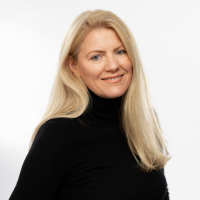
Xena Knox is a YA author (and flower farmer) specialising in addressing important – often taboo – subjects through humour. She likes her characters to be ‘real’ and often flawed, and through this she hopes to empower her readers to find their own place in the world and have the confidence to be their own unique selves.

Helen Comerford is a Rom-Com aficionada obsessed with superpowers. Originally a history graduate, she worked as a stage manager in theatres around the world, before becoming an (almost) full time writer. She lives in Wales with her pet dog Cocoa, loves going for walks up mountains, and fuels her writing endeavours with chocolate raisins. She is the author of the swoony, and action-packed, Nine Trees Duology; ‘The Love Interest’ and ‘The Hero Complex’.

Nicola Davies trained as a zoologist and studied bats, geese and whales in the wild before spending ten years as a presenter for the BBC Natural History Unit. She has been writing for children for more than twenty five years and is the author of more than 90 books, including poetry, picture books and novels. In addition to many books about the natural world Nicola has written about disability, grief, human migration and children’s rights. Her work has been published in more than 12 different languages and won awards in the UK and abroad. Her recent YA novels the Song that Sings Us and Skrimsli have both been nominated for the Yoto Carniege Award for Writing. Skrimsli won the children and young people’s category of the Wales Book of the Year in 2024 and her poetry collection ‘Choose Love’ was shortlisted for the Yoto Carnegie Award for Writing 2024.
About their books:
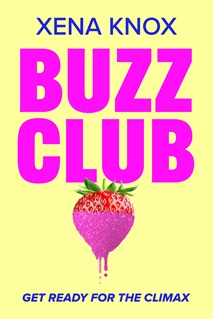
Title: BUZZ CLUB
Author: Xena Knox
Pitch: Buzz Club is an empowering, self-exploration positive, YA novel addressing sexuality, controlling and dis-functional relationships, messy friendships and how to find your voice – and buzz – in life. Get ready for the sometimes ridiculous humour of Buzz Club and the serious discussions it allows. And if that sounds your vibe – did I mention there are lots of vibrators!
Find on Goodreads. Find on Bookshop.org (affiliate link).
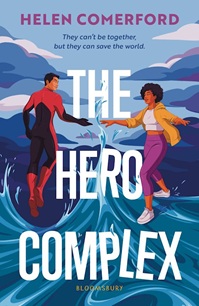
Title: THE HERO COMPLEX
Author: Helen Comerford
Pitch: Welcome back to Nine Trees. Join Jenna Ray in the hotly anticipated sequel to the Carnegie nominated ‘The Love Interest’. Things are no easier for Jenna as she tries to go from Love Interest to Hero, navigating more super-powered action and intensifying feelings for the boy who started it all, Blaze. Readers called ‘The Love Interest’ “Feminist, thrilling and super fun” and the epic conclusion to Jenna and Blaze’s story is sure to make your heart soar.
Find on Goodreads. Find on Bookshop.org (affiliate link).

Title: SKRIMSLI
Author: Nicola Davies
Pitch: Born in a circus, the tiger Skrimsli and his friend Owl plan to escape the clutches of the cruel ringmaster Kobret. But a giant flood and twin assassins get in the way. Skrimsli and Owl are separated and caught up in a web of spies and murder. With the help of new friends both animal and human, they must find a way to stop a war and save an ancient forest.
Find on Goodreads. Find on Bookshop.org (affiliaite link).
In your opinion, how has social media helped foster the UKYA community?
Xena Knox: It’s essential. We’re all impatient and want to access information quickly, visually and in rapid, snappy soundbites.
Helen Comerford: This is slightly tricky to answer because X is dead (IMO), Bluesky is currently a mystery to me and I am a TikTokphobe … but on Instagram there is a clear space and vibrant space that celebrates UKYA. Authors have a presence and readers know where they can find them. Authors interact with each other, which is lovely, as writing and trying to increase your social media following can be a lonely business. Then there are the big hubs like YALC, which have a huge audience of YA fans and can give UKYA authors a big boost by sharing posts, hosting giveaways and similar.
Nicola Davies: I think its positive and negative. Positive because it helps readers and authors feel part of one community; but negative because it perpetuates phone addiction
In which ways do you think we can responsibly use social media to introduce YA titles to teenagers? How can we go beyond social media to reach them, given conversations in several countries around re-thinking current legislation on such platforms for minors?
Xena Knox: This is a tricky one. The word ‘responsibly’ is loaded from my pov. Personally I’m more concerned by the encroaching censorship everywhere. Especially as I champion open and rounded conversations. And intentionally include characters that on the surface if you were closed minded and prone to sweeping statements and putting people into neat boxes – then my characters might be described as unlikeable and not ‘nice’ or ‘kind’. When, in fact, my characters are capable of real empathy and openminded thought and discussion – they may just be a little selfish etc. So, this ‘responsibility’ from my POV isn’t yours. It’s probably parents’ or if the reader in 16 + then I think it’s down to the individual. I’m more concerned that gate keepers are censoring the way they communicate fiction.
Helen Comerford: It’s tricky isn’t it? There are parental controls on most sites and some education available for staying safe online, but despite the best intentions of authors, we can’t control the overall vibe and impact of social media. Deletes rant about how broken the world is. I guess, what we can do, is offer clear guidance about the content of our books and what maturity levels it’s appropriate for. It would also be lovely to do less digitally. In the UK we’re lucky that most young people have access to a library and perhaps being actively involved in our libraries is a way forward.
Nicola Davies: Access to books and access to libraries are crucial. The building of reading cultures in schools and homes, which means adults modelling reading for pleasure. Social media platforms needs to be moulded to create safe, positive spaces for young people. This is done very deliberately in other countries and could, should, be done in the UK
How do you think the YA market is going to change thanks to emerging technologies like AI?
Xena Knox: It may mean that niches are more visible, and personal biases from reviewers are disposed of. And potentially will be the end of Influencer book reviewers…
Helen Comerford: In a worst-case scenario, where AI is used for plotting and perhaps even writing books, it could shape the creative direction of the YA market into a downwards spiral. AI doesn’t have new ideas. It doesn’t create or emote like the human mind. It will churn out slightly different versions of existing stories because they’re guaranteed money-makers. Perhaps there is a way that AI can become a helpful tool in the publishing industry without replacing human creativity, but we’re off to a bad start with Meta literally stealing everyone’s work to train their AI program.
Nicola Davies: Without protection of our copyright the ability of writers to make a living and to create new and original content for YA readers will be critically disabled. I think it’s entirely negative.
What steps would you like publishing needs to take in response to the rise of AI?
Xena Knox: Other than the protection of copyright and rejection of AI generated fiction – I’m not sure what else they can do.
Helen Comerford: I would like the publishing industry to protect their author’s work from copyright infringement and to commit to a ‘no creative jobs lost’ type of mantra. It’s a big ask in a capitalist system that puts profit above all else, but the people in the top jobs of publishing will shape the direction of how our industry interacts with AI for generations to come.
Nicola Davies: Do everything we can to oppose the unfettered access of AI to all forms of writing and image making. Strengthen and enforce UK copyright law to protect creatives and make sure all AI companies cannot use anything without the express permission of its maker.
Thank you all! For more interviews, check here and don’t forget to check instagram (here) for book recommendations from these authors and more!
 #UKYASpotlight
Leave a comment