The Annual Event is a month long celebration of all things UKYA, highlighting books by British and Irish authors (resident and national) and asking their views on topic affecting the community. All views are the author’s own.
About the Authors:

Zulekhá A. Afzal grew up in Cornwall, where the dramatic coastline inspired stories of other worlds and magic. She now lives in Bath where she studied English Literature with Creative Writing and completed the MA in Writing for Young People at Bath Spa University. When she isn’t dreaming up fantastical worlds or dancing in a ballet class, Zulekhá works on the other side of publishing in crime and thriller fiction. Her debut novel DANCERS OF THE DAWN is a love letter to dance, set in a world drawing on her mixed cultural heritage.
Emma Bradley lives on the UK south coast with her plant collection and a very lazy black Labrador who occasionally condescends to take her out for a walk. Aside from creative writing studies and spending far too much time procrastinating on social media, Emma is still waiting for the arrival of her unicorn. Or a tank, she’s not fussy.
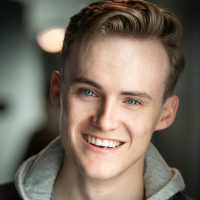
David Fenne is an author and improv comedian, originally from coastal Dorset, who trained as an actor at Rose Bruford College and Syracuse University, NY. He co-runs Pinch Punch, a long-form improv theatre company known for their improvised whodunnit, Locomotive for Murder, which was a 2024 Off West End Award finalist. David’s life ambition was to become the red Power Ranger, but owing to his lack of physical prowess, he decided to write books and tell jokes instead. His debut novel, OVEREMOTIONAL, was Sunday Times Children’s Book of the Week and was followed by two sequels, OVERTHINKING and SO OVER THIS. He currently lives in Southeast London with his husband, John, in a flat so nerdy the Victorians who built it would have a heart attack if they saw it.
About their books:

Title: DANCERS OF THE DAWN
Author: Zulekhá A. Afzal
Pitch:Dancers of the Dawn follows Aasira, a member of an elite troupe of dancers who manifest lethal magic when they dance that’s been weaponised for war by their queen and country. Aasira possesses one of the rarest talents as a flame-wielder, and as secrets stir in the shifting sand dunes, she begins to question whether she was truly born to kill…
Find on Goodreads. Find on Bookshop.org (affiliate link).

Title: THE SINS OF SISTERS
Author: Emma Bradley
Pitch: The fourth instalment of the Citadel of Souls series – with Molly and Talie separated and the citadel in crisis, can they find a way to rebuild together?

Title: SO OVER THIS
Author: David Fenne
Pitch: The thrilling conclusion to the queer urban fantasy OVEREMOTIONAL series. Steven has had his emotion-based powers revealed to the world, and worse, he’s accused of murder! Hunted from all sides in a Britain struggling to adapt to the existence of superpowers, Steven and his friends must stick together if they are going to set things right. But is there still salvation in old foes?
Find on Goodreads. Find on Bookshop.org (affiliate link).
In your opinion, how has social media helped foster the UKYA community?
Zulekhá A. Afzal: Social media is a wonderful way for authors and readers to connect over their love of books and stories.
Emma Bradley: Social media has been a big help in allowing authors and readers widen the net for their social circle to share the best UKYA books. Without the online writing community, so many of us wouldn’t be able to reach our readers or find likeminded authors to share the ups and and downs of the process with.
David Fenner: It has allowed smaller books to be found by readers when they might usually be stuck on a shelf! It’s never been easier to swap recommendations and find fellow fans!
In which ways do you think we can responsibly use social media to introduce YA titles to teenagers? How can we go beyond social media to reach them, given conversations in several countries around re-thinking current legislation on such platforms for minors?
Zulekhá A. Afzal: I think we can go beyond social media to share stories with teenagers by ensuring a diverse range of books are stocked in local and school libraries, and by offering author visits to schools to engage directly with the readers we’re writing for.
Emma Bradley: When dealing with YA books and the fact the target readership is underage, it’s imperative that we continue to keep the entire writing community united, including schools, librarians, bookshops. By respecting our literary community and keeping it strong throughout the adult social media space, we can ensure that even if new legislation removes the direct access to teen readers, they’re still able to get the access to the best books.
David Fenne: It has to come from a sense of community. Getting the right book to the right reader, rather than sales sales sales. So many teenagers fall off reading for a number of factors, but a huge one is that the books being pushed to them don’t interest them. Pushing a diverse range of voices, genres, and styles is the only way to ensure they don’t switch off from the perceived homogeneity of books.
How do you think the YA market is going to change thanks to emerging technologies like AI?
Zulekhá A. Afzal: I’m not sure we can tell at this stage. It will depend on how AI is used and how responsibly it’s used.
Emma Bradley: AI is a tricky one. It’s a tool that has many capabilities, but the desire to use it to for shortcuts and quick profit risks removing the personal ‘human’ element that makes great literature relatable to readers. Given what seems to be the majority view among writers and also in the artist space, AI will hopefully not become the norm when it comes to creating great and relatable YA literature.
David Fenne: When used responsibly, AI can be effective in assisting with things like spelling and grammar. As a heavily dyslexic author, I wouldn’t be published if it weren’t for tools like Grammarly to help ensure things are caught.
However, I think we will also see a rise in bad-faith applications of AI. Already, so many of our books have been scraped illegally by LibGen, and it won’t be the last time either. Indie publishing will probably be hit hardest by a flood of AI-generated drivel “made” by people wanting to get a quick buck. The industry must remain vigilant and ensure human creativity is protected.
What steps would you like publishing needs to take in response to the rise of AI?
Zulekhá A. Afzal: If publishers choose to use AI to publish books and/or reach readers, I hope it will be done responsibly and not at the cost of art and those who brings books to readers – from the writers, cover artists and illustrators, audiobook narrators and the teams at publishing houses who work behind the scenes to ensure books reach readers.
Emma Bradley: We need strong legislation on what is allowed in terms of AI, especially since the issue of Meta using a pirating site of stolen authors’ works to train its AI models. This is an issue both in a legal sense but also in a moral sense, because there need to be boundaries on copyright that are enforced, not just for individuals but especially for big companies who seem to believe the laws don’t apply to them.
David Fenne: An industry-wide picket line across all publishers that AI models will not be trained on author’s books, no matter how financially appealing. While this might make money for publishers and authors in the short term, the long-term effects will be devastating (creatively, environmentally, and morally).
Thank you all! For more interviews, check here and don’t forget to check instagram (here) for book recommendations from these authors and more!
 #UKYASpotlight
Leave a comment