The Annual Event is a month long celebration of all things UKYA, highlighting books by British and Irish authors (resident and national) and asking their views on topic affecting the community. All views are the author’s own.
About the Authors:
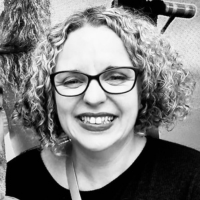
Kate S. Martin spends her days teaching English at a local high school in Cheshire and her evenings are spent writing stories close to her heart. She believes teenage years can be particularly difficult and wants to create stories that show empathy and hope for her readers. She lives with her husband, two children and Jessie, the Miniature Schnauzer.
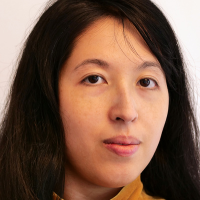
Mina Ikemoto Ghosh is a British-Japanese author illustrator based in Surrey. She is the author of the YA novel HYO THE HELLMAKER (Scholastic 2024) and the adult novella NUMAMUSHI (Lanternfish Press 2023).

Felicity Epps studied a degree in English Literature before completing a Masters in Eighteenth-Century Studies, where her research focused on female murderers in true crime writing! Felicity finds inspiration in history; researching strange and spooky subjects. She enjoys exploring cemeteries, collecting old books and hunting for ghostly Victorian photographs in antique shops. When she isn’t writing, Felicity loves going to the beach, knitting colourful jumpers and drinking far too many cups of hot chocolate. Felicity currently lives in Broadstairs, Kent, UK, with her partner and baby daughter.
About their books:
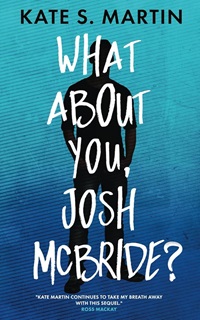
Title: WHAT ABOUT YOU, JOSH MCBRIDE?
Author: Kate S. Martin
Pitch: The sequel to Are you Okay, Elliot Hart? This story follows Elliot and Josh as they try to survive their final year in high school. Will the boys be able to rise above their past or will their demons win in the end?
Find on Goodreads.
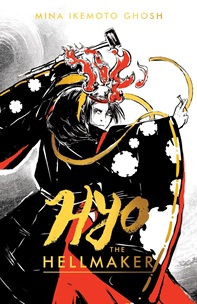
Title: HYO THE HELLMAKER
Author: Mina Ikemoto Ghosh
Pitch: Girl cursebound to solve murders and sell vengeance against the culprits moves to an island where gods and humans live side by side. Investigating the death of a friend inserts her into a case and divine conspiracy involving demon pears, kabuki and the highest gods. An illustrated Japanese fantasy mystery.
Find on Goodreads. Find on Bookshop.org (affiliate link).
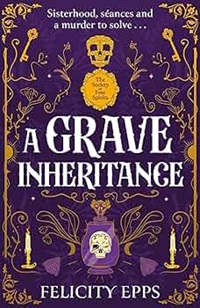
Title: A GRAVE INHERITANCE
Author: Felicity Epps
Pitch: Mysterious deaths in the family. A young woman left to inherit a fortune. Was it ghostly intervention… or murder? The Society of Free Spirits invites you to investigate.
Find on Goodreads. Find on Bookshop.org (affiliate link).
In your opinion, how has social media helped foster the UKYA community?
Kate S. Martin: It has given a place for writers and readers to support and encourage each other. A place where you might feel less alone. I would be lost without the support I have found through the UKYA community. It is the most giving and kind place.
Mina Ikemoto Ghosh: Social media has made it easy for me to connect with other UK based YA writers, but aside from that I’m not aware so much of a UKYA community yet. I think it’s been difficult to foster one because it’s hard to differentiate between different parts of Anglophonic social media. We tend to get overwhelmed with content from the USYA sphere, and I’m not sure where to go for specifically UKYA news sources.
Felicity Epps: I personally love browsing Bookstagram and BookTok, especially for UK YA as a genre, as it turns social media into a creative outlet. There is such a passion for discussing characters, promoting beautiful books and connecting with other UK readers. It’s also a great way of discovering independent bookshops; I follow so many local booksellers to get an insight into their recommendations. It fosters a real sense of community around a shared love of YA books that is more grounded in the experiences of young people in the UK.
In which ways do you think we can responsibly use social media to introduce YA titles to teenagers? How can we go beyond social media to reach them, given conversations in several countries around re-thinking current legislation on such platforms for minors?
Kate S. Martin: Social media is a platform where books can be recommended and shared. It is a place where you can learn about all different parts of publishing. As a teacher and writer, it’s a powerful tool to encourage reading for pleasure. But, for me, the most important part are libraries. We need to continue to support and love our libraries.
Mina Ikemoto Ghosh: We can use social media to encourage reading but not spending or having to be on top of the latest book. Maybe we could try networking with more local libraries and school librarians (or Libby), to show where teens can get their books for free, and give the people who most often work with young adult readers a platform. Let them talk about what books are being borrowed right now, and what books they recommend for particular readers, for certain occasions, or topics. You could also do local book club spotlights. I know some Waterstones are doing YA book clubs, and you could let a different YA book club each week take over a social media channel and make content for it, such as book recs or talk about what they’ve discussed at the YA book club. I also enjoy listening to the Hey YA podcast by BookRiot, but as they discuss US YA, I’d like to hear a similar podcast with a UK focus.
Felicity Epps: I think YA book communities on social media are always going to be a positive place on the internet, as sharing books is such a source of escapism! It does naturally bring more adult readers to YA though, so I think it’s important that teen readers aren’t forgotten when books are marketed online. Social media is an amazing tool if used with consideration, but we can go beyond it by remembering that libraries, bookshops and schools are equally important spaces. This is especially vital for younger teens as libraries/bookshops have the added benefit of being able to host events and build excitement for YA books in a way that is more tailored to their local communities.
How do you think the YA market is going to change thanks to emerging technologies like AI?
Kate S. Martin: I feel like we can’t stop the emergence of AI so it is vital we keep discussing it in all circles and, hopefully, how it can be used positively in the publishing industry.
I imagine in the future, it will become another section in the bookshop: books written by AI. This will make it even harder for writers who spend years writing a book to get it in the hands of their readers.
Mina Ikemoto Ghosh: I’d be concerned about literacy standards, if young readers become accustomed in class and school to ask an AI to ‘read’ and summarise a book for them. How that will impact the market, in terms of demand for books, it’s difficult to say. I can see a potential for growing reading inequalities, as those with the time and space for deep reading and able to afford physical books, and less likely to outsource reading to an AI, will develop comprehension and deep focus skills, and those that don’t have access to these will be vulnerable to peer pressure to use AI. Then fewer books would be sold, and those that are, there would be demand for them to be luxury material items, with illustrations and beautiful covers etc that’d price them beyond most casual readers. In terms of supplying YA books, I like to think we can all agree that young adult readers deserve books written by human beings with human care.
Felicity Epps: I struggle to see any positives to AI in an industry that relies on creativity; books are so wonderful because they delve into the imagination and allow us to explore our own ideas. I think most writers would shudder at the idea of AI being used to generate stories, because that would be robbing us of the best part of being a writer! I equally wouldn’t trust research or editing to AI, as each element of creating a book requires a passion for the story. I could see YA fiction confronting AI as a growing theme in dystopian/sci-fi stories, addressing our current concerns and fears around its use. AI has a kind of villain persona in my head already!
What steps would you like publishing needs to take in response to the rise of AI?
Kate S. Martin: Compensate authors if their work has been illegally taken for AI and still value the human behind the writing.
Mina Ikemoto Ghosh: Publishing as an industry needs to stay vocal in response to AI’s rise and maintain pressure on the government that copyright laws are not bent in favour of AI companies. I wouldn’t mind seeing publishing houses required to declare when they’ve used AI in cover design and to be transparent about their reasons for why a human illustrator or designer was not hired. Perhaps we need to develop an AI usage charter for publishing?
Felicity Epps: I think publishing should always focus on celebrating authors and providing readers with amazing books! AI can create a lot of quick content, but without quality and human inspiration, YA readers wouldn’t be getting the strong and unique stories that they deserve. YA books are so important for capturing the essence of being a teenager and confronting the anxieties of that age group, but AI primarily relies on predictable responses that wouldn’t do justice to the nuances of the genre. It’s a big responsibility for publishers and writers to create stories that resonate with young people, putting care and consideration into every word.
Thank you all! For more interviews, check here and don’t forget to check instagram (here) for book recommendations from these authors and more!
 #UKYASpotlight
Leave a comment